The History of the French Leather Maison — From Guild to Modern Luxury
France did not become the world's benchmark for leather goods by accident. It became so through centuries of regulation, craft tradition, and an absolute refusal to lower standards in the name of convenience.
The guild system and the mark of quality
In pre-revolutionary France, every artisan working in leather, gold, or silk was required to belong to a guild, to train under a master, and to register a personal hallmark — a unique mark struck into every piece they produced. This mark was their legal signature, their guarantee of quality, and their professional identity.
The system produced something no market mechanism has since replicated: an absolute floor of quality below which nothing bearing a guild mark could fall. The hallmark was not a brand. It was a promise, enforced by law and by community.
A timeline of French leather craft
1268 — The guild of leather workers is formally established in Paris under Louis IX. Craft standards are codified for the first time.
1775 — Paul-Nicolas Menière registers his goldsmith's hallmark with the Paris guild — a crowned fleur-de-lis, his initials PNM, and a pine cone.
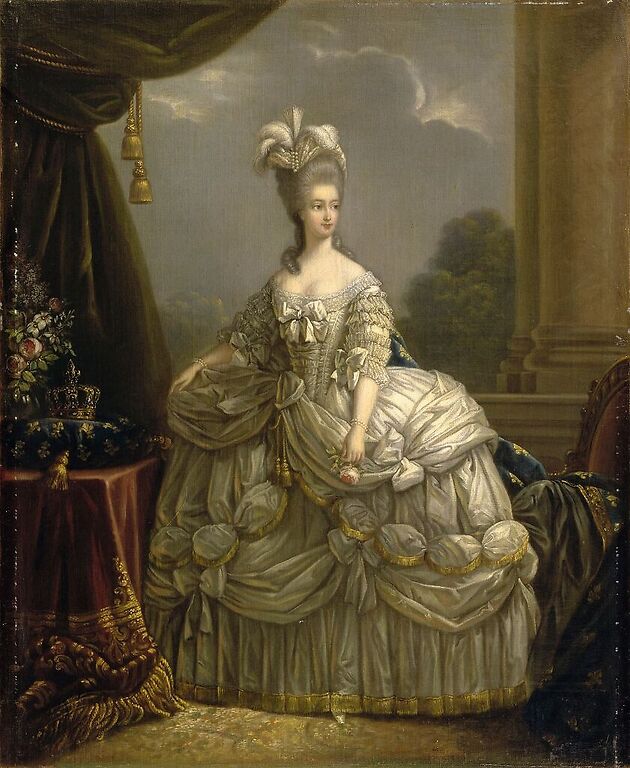
1788 — Menière is appointed jeweller to the Crown, creating pieces for Louis XVI and Marie-Antoinette.
1825 — The Baptst family, descendants of the Menière line, create the coronation crown of Charles X — set with the legendary Régent diamond, now on permanent display at the Louvre.
Today — The Menière name is reborn as a leather house, carrying the same pine cone hallmark and the same values of uncompromising craft.
"The hallmark was never a logo. It was a legal guarantee — backed by guild, by law, and by the craftsman's own reputation."

What the Revolution changed — and what it did not
The French Revolution abolished the guilds in 1791. The formal system disappeared almost overnight. What did not disappear was the knowledge held by the craftsmen themselves — techniques refined over centuries. The great French maisons of the 19th century were founded precisely by those craftsmen and their descendants. The guild was gone; the standard it had enforced was not.
Why French leather still leads
France today remains the global benchmark for luxury leather goods for several reasons. The network of specialist tanneries in regions like Millau and Annonay continues to produce some of the finest leathers in the world. A culture that has always associated quality with restraint has shaped an aesthetic that the rest of the world continues to aspire to.
At Menière Paris, we are part of that tradition — not as a claim, but as a responsibility. The pine cone hallmark that appears on every bag was first registered in this city in 1775. We carry it forward because what it stood for then is still worth standing for now.